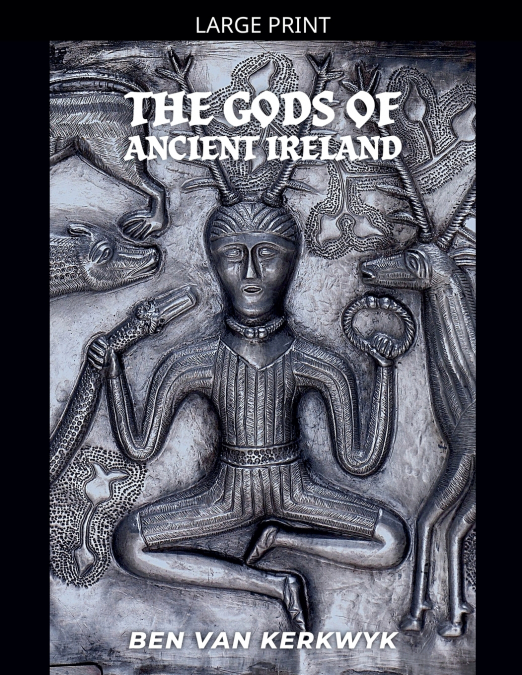
Ben Van Kerkwyk
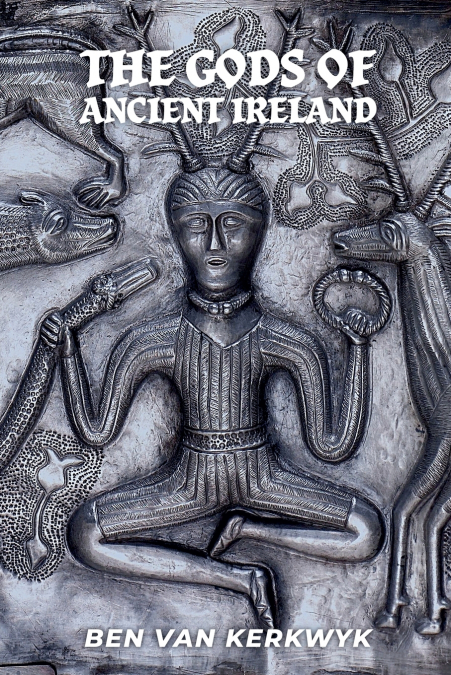
Who were the Tuatha Dé Danann?Gods, kings, magicians, invaders, ancestors, or the beings later remembered beneath the hills of Ireland? The surviving texts give all of these answers, often at the same time.The Gods of Ancient Ireland follows the Tuatha Dé Danann through the surviving Irish tradition without reducing them to tidy labels. Nuada loses his hand and with it his right to rule. Bres gains a kingdom and destroys his own position through bad kingship. Lugh enters the story as an outsider and becomes indispensable. The Dagda bargains, fights, feasts and manipulates events. The Morrígan moves between prophecy, warfare and political calculation. Dian Cécht restores a king with a silver arm, then turns against the son whose skill surpasses his own. Around them stand Brigid, Goibniu, Aengus, Ogma, Macha and the other figures who made up Ireland’s divine tribe.Their world is filled with arguments over sovereignty, possession, hospitality, honour and obligation. Kingdoms can be lost through physical injury. A poet’s complaint can damage a ruler. A badly judged feast can become political evidence. A dwelling can be won through the exact wording of an agreement. The famous magic of the Tuatha Dé Danann matters, but so do the rules governing who may rule, who belongs, who owes service and who has the right to claim the land.The book also returns to the stranger parts of the tradition: the four northern cities of Falias, Gorias, Finias and Murias; the Stone of Fál; Lugh’s spear; Nuada’s sword; the Dagda’s cauldron; the battles of Mag Tuired; the Fomorian connection; the mysterious arrival in Ireland through ships, smoke, cloud and contradictory accounts; and the eventual division of the land that sends the Tuatha Dé into the ancient mounds.That final transformation is one of the great problems of Irish mythology. A people presented as rulers and conquerors do not simply vanish. Their status changes. Their places change. Their relationship with Ireland changes. The old gods become the people of the síd, still attached to hills, burial mounds, rivers and named places across the island.Drawing on the Book of Invasions, the Battle of Mag Tuired, the place-name traditions and the wider medieval manuscript record, The Gods of Ancient Ireland treats the Tuatha Dé Danann as characters with motives, rivalries and consequences rather than decorative figures from a half-remembered pagan past.The result is a much stranger Ireland: ruled by wounded kings, divine craftsmen, dangerous poets, supernatural warriors and gods who never quite disappeared.