Brahim Ouargaga
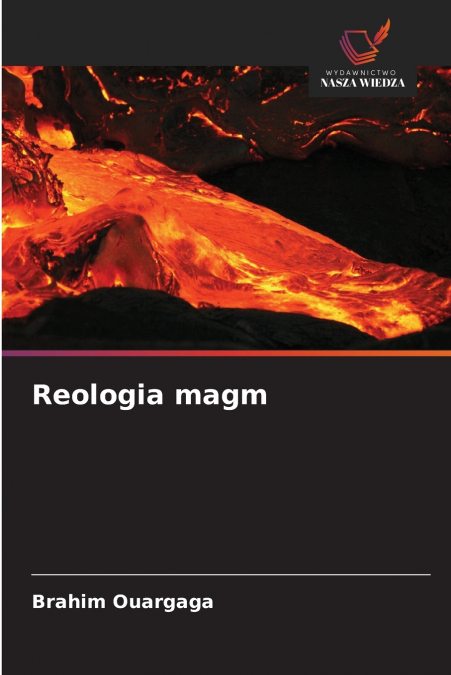
The rheological behavior of magmas is described by the Einstein-Roscoe equations. There are several factors that can influence this rheology by affecting its viscosity; the most significant are temperature and crystallinity. According to Fernandez et al., magmas exhibit three types of rheological behavior: i. Newtonian behavior, characterized by a constant viscosity for crystallinity fractions between 0.1 and 0.3; ii. Bingham or pseudoplastic behavior (φ = 0.3 to 0.65), and finally, a rigid behavior for values of φ ≈ 0.65-0.70. Magmatic rocks provide striking examples of how changes in the rheological properties of magma influence the structures that develop at different stages of their history. Schlieren, bedding, and banding are characteristic of Newtonian behavior; OPFs (preferred orientation of form) are characteristic of the second behavior; and post-magmatic fractures and veins are characteristic of the third and final behavior.