Mary Eleanor Wilkins Freeman
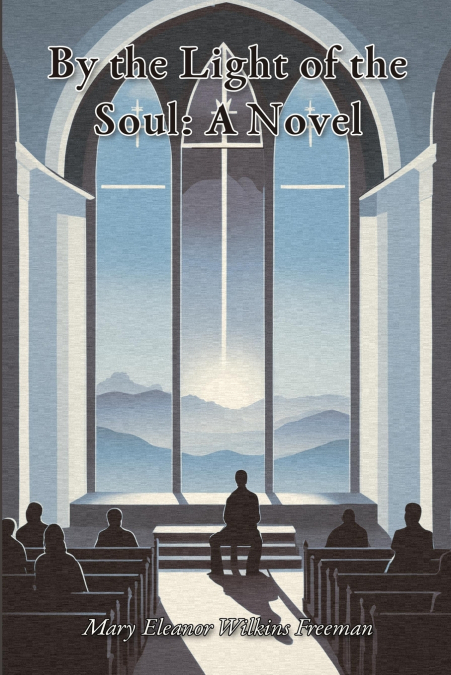
is a novel written in the early 20th century. The story revolves around Maria Edgham, a sensitive and introspective young girl, as she navigates the complexities of her family’s life, particularly dealing with her mother’s ill ness and her father’s potential remarriage. The narrative delves into themes of childhood innocence, familial bonds, and the emotional turmoil arising from loss and change. The opening of the novel introduces Maria sitting in a church vestry during a prayer meeting, where she is preoccupied with her thoughts about the people around her, including a grieving mother and a young man she admires. As the prayer meeting unfolds, Maria’s innocence is palpable; she is caught between the world of childhood fantasies and the harsh realities of adult life, particularly her mother’s illness and the implica tions of her father’s emerging relationship with a local schoolteacher, Miss Slome. As the narrative progresses, we glimpse Maria’s internal struggles withher identity,herlongingforacceptance,andhertroubledreflectionson her family’s dynamics during a profound period of transition. The opening effectively sets the stage for the emotional challenges Maria will face as the story unfolds.MariaEdgham,whowasaveryyounggirl,satinthechurchvestry beside a window during the weekly prayer-meeting. As was the custom, a young man had charge of the meeting, and he stood, with a sort of embarrassed dignity, on the little platform behind the desk. Hewas reading a selection from the Bible. Maria heard him drone out in a scarcely audible voice: 'Whom the Lord loveth, He chasteneth,' and then she heard, inaquickresponse,asoftsobfromtheseatbehindher. Sheknew whosobbed: Mrs. JasperCone,whohadlostherbabytheweekbefore. The odor of crape came in Maria’s face, making a species of discordance with the fragrance of the summer night, which came in at the open window. Maria felt irritated by it, and she wondered why Mrs. Cone felt so badly about the loss of her baby. It had always seemed to Maria a most unattractive child, large-headed, flabby, and mottled, with ever an open mouth of resistance, and a loud wail of opposition to existence in general. Maria felt sure that she could never have loved such a baby. Even the unfrequent smiles of that babyhadnotbeenwinning;theyhadseemedreminiscentofthecommonest and coarsest things of life, ratherthanofheavenlyinnocence. Mariagazedat the young man on the platform, whopresently bent his head devoutly, and after saying, 'Let us pray,' gave utterance to an unintelligible flood of sup plication intermingled with information to the Lord of the state of things on the earth, and the needs of his people.